
Affiliate Disclosure:
This post may contain affiliate links. As an Amazon Associate, I earn from qualifying purchases at no extra cost to you.
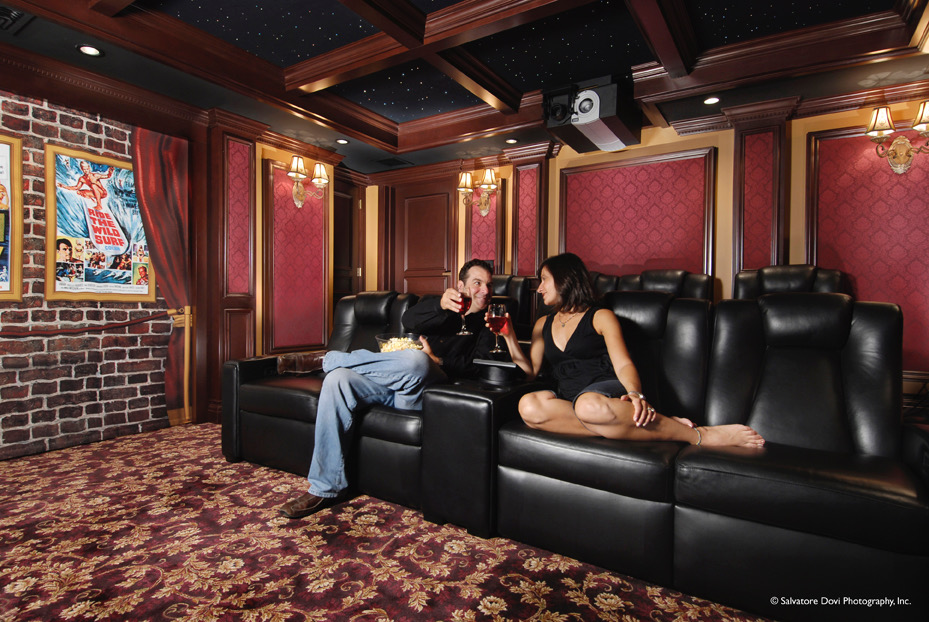
Our home theater did not start as a basement, spare bedroom, or bonus room. It started as our two-car garage.
If you walked into the theater today, I do not think you would ever guess what the room used to be. The concrete floor, utilities, storage, and all the practical parts of a garage disappeared so completely that the finished theater feels as though it has always belonged in the house.
Getting from one to the other involved much more than adding a large screen and comfortable recliners. The original garage had an uneven concrete floor, structural elements that affected the layout, plumbing to consider, and an electrical panel located where part of the theater needed to go. All of that had to be addressed before the enjoyable part of designing the room could really begin.
I have written separate guides on Home Cinema Living about seating, lighting, projectors, acoustics, soundproofing, speaker placement, and cable management, so I do not want to repeat all of that information here. This article is really about how those pieces came together in our own garage home theater conversion and what I have learned after living with the finished room for years.
Interestingly, some of the things I appreciate most today are not the most expensive parts of the theater. I love the large screen and sound system, of course, but I also love having a soft blanket nearby, a secure place for a glass of wine, a tray for snacks, and our snack station close enough that no one has to keep leaving the room.
Those little details have become just as much a part of movie night as the technology.

Quick Look at Our Garage Home Theater Conversion
| Feature | What We Did |
|---|---|
| Two-car garage | Converted it into a dedicated home theater |
| Floor | Corrected and finished the existing garage floor |
| Electrical | Made electrical changes to support the theater |
| Plumbing | Worked around existing plumbing |
| Structure | Addressed structural elements that affected the layout |
| Screen | Large projection screen |
| Seating | Two rows of dedicated theater seating |
| Sound | Surround sound planned around the room |
| Acoustics | Acoustic treatment incorporated into the finished space |
| Lighting | Dedicated dimmable theater lighting |
| Comfort | Added practical seating accessories |
| Snacks | Dedicated movie-night snack station |
| Final result | A fully finished dedicated home cinema |
1. The Garage Had to Become a Real Room First
One of the biggest lessons from this project is that converting a garage into a home theater starts long before you choose a projector or theater seating.
A garage is designed for cars, storage, tools, and everything else that tends to collect there. A home theater needs to feel like a comfortable interior living space.
In our case, the concrete floor needed attention, structural elements affected the room design, utilities had to be considered, and the electrical system needed to work with the theater plan. These are not the things anyone notices in the finished photographs, but they are a big part of why the room works now.
If you are considering your own garage home theater, I would first look at the floor, insulation, heating and cooling, moisture, electrical capacity, plumbing, ceiling height, structural supports, and any exterior doors or windows. Local building requirements may also affect what you can do with the space.
Once those issues are handled, the room can begin to feel less like a garage and more like part of the house.
That was an important point in our project. There came a time when I stopped looking at the space and seeing the old garage underneath it. The proportions of the theater began to make sense, the wiring disappeared, the walls were finished, and I could finally see what the room would become.

2. Plan the Screen and Seating Together
The screen and seating became the foundation of our theater layout.
Our theater was designed with a large projection screen and two rows of dedicated seating, and planning these elements together helped determine the room’s proportions.
I think this is one of the most important parts of any home theater. A screen should be large enough to feel immersive without being uncomfortable from the main viewing position. The seating should then be arranged around good sightlines, comfortable reclining space, and practical walkways.
After years of living with our theater, I would choose comfortable spacing over squeezing in one additional seat every time.
People need enough room to recline and move comfortably. You also need space for the things that naturally end up around theater seating, including drinks, snacks, remotes, phones, and blankets.
For more detailed planning, see my How to Choose the Perfect Home Theater Seating Layout guide and What to Look for in a Comfortable Home Theater Recliner.
Helpful Amazon Finds
- Home Theater Snack Tray – I love having a proper place for snacks and smaller items instead of trying to balance everything on the chair.
- Wine Glass Holder for Theater Seating – One of my favorite little theater accessories, because a stemmed glass needs a more secure spot than a standard cup holder provides.
- Soft Plush Throw Blanket – We use blankets regularly, especially during longer movies, and they make the room feel much more comfortable.
For more of these smaller upgrades, see Home Theater Seating Accessories You Didn’t Know You Needed.
3. The Large Screen Gives the Room Its Cinema Feel
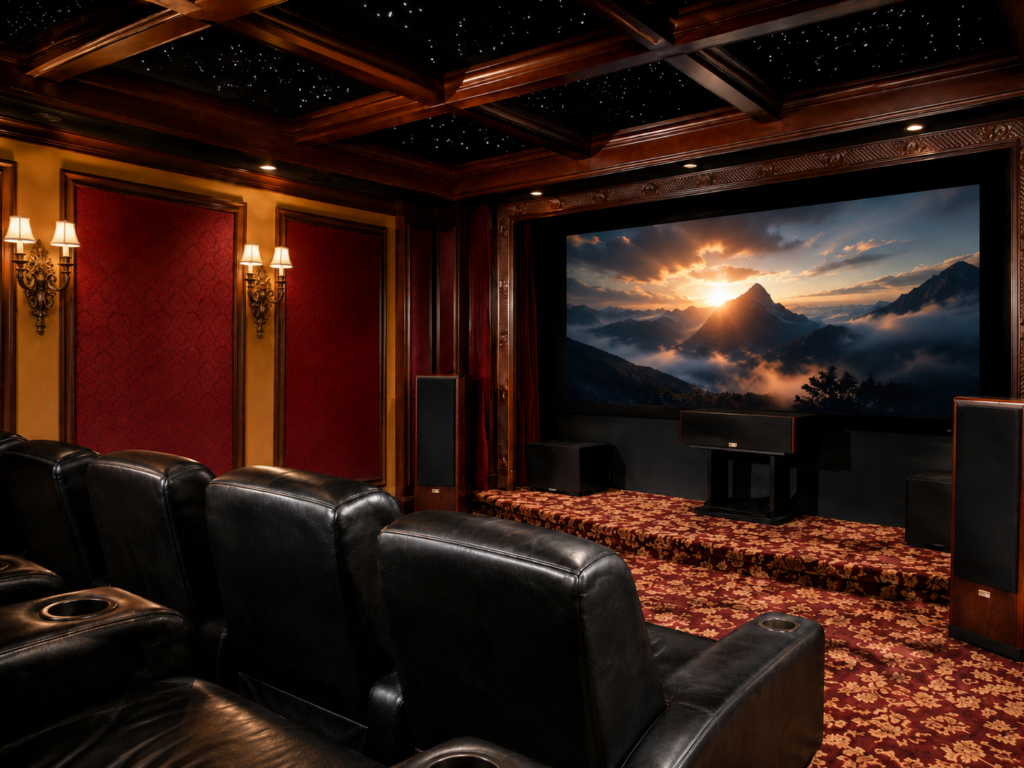
Our theater originally featured a 117-inch projection screen, and the large image is still one of the things that gives the room its true cinema feeling.
When the lights dim and the movie fills the front wall, it feels very different from watching television in another room of the house. The screen is clearly the focal point, and everything else in the room supports that experience.
That does not mean I would automatically recommend a projector for every garage theater today. Large TVs have improved dramatically, and they can make a lot of sense in smaller rooms or spaces where controlling ambient light is difficult.
If I were making the decision today, I would look at viewing distance, desired screen size, room width, lighting conditions, budget, and how the room will actually be used.
For a closer comparison of today’s options, see TV vs. Projector for a Home Theater: Which Is Best for Your Space?.
The important thing is not simply buying the largest screen you can fit. It is creating a viewing experience that feels right from the seats.
4. Lighting Is Still One of My Favorite Design Features
Lighting has always been one of my favorite parts of our theater because it completely changes the feeling of the room.
With the lights fully up, the theater is simply a comfortable room. Once the lights are dimmed and the softer theater lighting takes over, the screen becomes the focus, and everything else recedes into the background.
That transition is part of what makes a dedicated theater feel special.
If you are planning a garage conversion, I would think about lighting before the walls are finished, whenever possible. Dimmable wall lighting, low-level pathway or step lights, and subtle accent lighting give you much more flexibility than relying on one bright overhead fixture.
The room needs sufficient light for people to enter safely, find their seats, and move around as needed. During the movie, however, the lighting should support the atmosphere without creating glare or competing with the screen.
I cover those ideas more fully in How to Layer Lighting in a Home Theater for the Perfect Movie Experience.
Helpful Amazon Finds
- Smart Dimmer Switches – Being able to lower the lights easily once everyone is seated is a simple convenience I would include again.
- Low-Voltage Step Lights – Especially useful for multi-level seating, as they provide enough light to move safely without brightening the whole room.
- Remote Control Organizer – A small, practical addition that helps keep lighting and theater remotes from disappearing into the seats.
5. Good Sound Is About More Than the Speakers
The sound system was an important part of our theater from the beginning, but the room itself had to support it as well.
A garage naturally has hard, reflective surfaces, which can affect dialogue clarity and the room’s overall sound. Acoustic treatment was incorporated into our finished theater, so it became part of the room rather than looking like it was added later.
That is still my preferred approach.
I like acoustic treatment that feels intentional and blends into the design. You do not need to walk into a theater and immediately notice the treatment. Ideally, you simply notice that the room sounds good.
It is also important to understand that room acoustics and soundproofing solve different problems. Acoustic treatment improves what you hear inside the theater, while sound isolation focuses on keeping sound from traveling into surrounding rooms.
I explain the distinction between Acoustic Panels and Soundproofing for Home Theaters: What You Actually Need.
If you are planning the speaker layout itself, my guide, Speaker Placement Tips for a Home Theater vs. a Family Living Room, goes into more detail.
6. Our Snack Station Is One of My Favorite Features
Our snack station is one of the parts of the theater I genuinely enjoy.
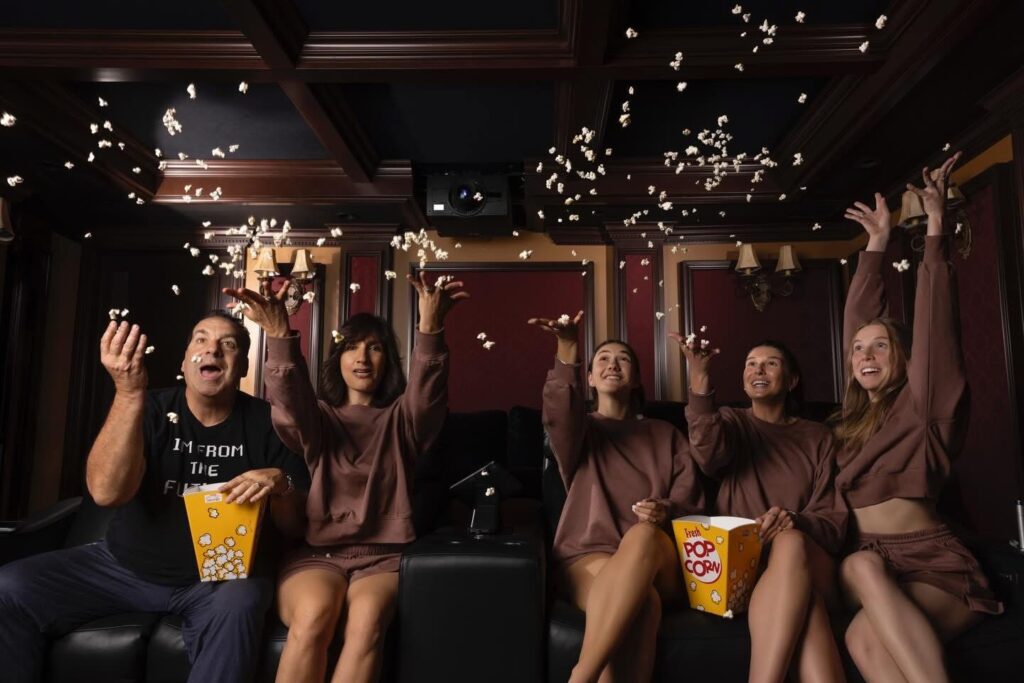
Having popcorn, candy, snacks, and serving pieces nearby means we can get everything ready before the movie starts instead of constantly walking back to the kitchen. It also adds a little more of the movie-theater experience without making the room feel overly themed.
A snack station does not have to be elaborate. A small cabinet, counter, rolling cart, or shelf can be enough to keep everything organized.
For me, popcorn is always a big part of it. There is something about the smell of fresh popcorn that makes it feel like movie night before the movie has even begun.
If you are interested in creating your own version, see DIY Snack Stations for Home Theaters and Home Theater Popcorn Bar Ideas for the Ultimate Movie Night.
Helpful Amazon Finds
- Rolling Snack Cart – A flexible way to create a snack station when you do not want permanent cabinetry.
- Popcorn Machine for Home Theater – A fun focal point if popcorn is a regular part of movie night and you want more of that classic theater feeling.
- Popcorn Seasoning Set – An easy way to offer several popcorn flavors without filling the counter with separate containers.
7. Home Theater Technology Never Stops Changing
One of the most interesting things about living with a dedicated home theater for many years is watching the technology around it continue to evolve.
The equipment options available when our theater was originally built were very different from what someone would consider today. Projectors have become brighter and sharper, 4K has become standard, televisions have grown dramatically in size, and streaming has completely changed the way we access movies.
Audio technology has changed too. Newer surround-sound formats such as Dolby Atmos have made overhead sound much more common, while modern AV receivers offer features and connectivity that were not part of the conversation when our room was originally created. Smart lighting and home automation have also made it easier to control an entire theater from a remote, phone, or programmed scene.
What I find most interesting is that even though the technology has changed, the basic room still works.
The seating is still positioned correctly. The screen wall still gives the room a clear focal point. The lighting still creates the atmosphere I want, and the acoustic planning still matters. Those choices have lasted much longer than any one projector, receiver, or streaming device.
That has changed the way I think about home theater design. I would rather create a room that can adapt to new technology than design the entire space around one particular piece of equipment.
If I were building our theater today, I would certainly be comparing different projectors, very large TVs, newer receivers, current surround-sound options, streaming devices, and smart controls. Five or ten years from now, that list will probably look different again.
I also do not think you need to upgrade simply because something newer exists. If the system still gives you a great experience, there is nothing wrong with continuing to enjoy it. I would make changes when they provide a meaningful improvement, whether that is better picture quality, a sound format you actually want, easier control, or equipment that no longer supports the services you use.
The room should be able to evolve without constantly needing to be rebuilt.
8. Plan Wiring With Future Upgrades in Mind
The constant evolution of technology makes good wiring planning even more important.
A dedicated theater involves more cables than most people expect. There may be speaker wire, HDMI cables, projector cables, power cables, subwoofer connections, lighting controls, streaming equipment, network cables, and charging devices.
One advantage of a full garage conversion is that much of this can be planned before the walls are finished.
Whenever possible, I would also leave some flexibility for the future. The equipment in a theater may change several times during the life of the room, and accessible wiring paths can make those upgrades much easier.
Even if your room is already finished, there are still ways to clean up visible cables and make the setup look more intentional. My Hidden Cable Management Ideas for a Clean Home Theater guide covers several options.
Helpful Amazon Finds
- In-Wall Cable Management Kit – Useful for keeping display and equipment cables out of sight during installation.
- Reusable Cable Labels – Labeling cables may not be exciting, but it becomes extremely helpful when equipment is replaced later.
- Cable Management Sleeve – A simple solution for grouping visible cables behind equipment or furniture when opening walls is not practical.
9. The Smaller Comfort Details Matter More Than I Expected
One of the things I have learned from actually using our theater is that comfort becomes more important once the room is finished than it may seem during the planning stage.
When you are designing a home theater, most of the attention naturally goes to the screen, speakers, projector, and seating. Those are the major decisions, but they are not the only things that determine how enjoyable the room is to use.
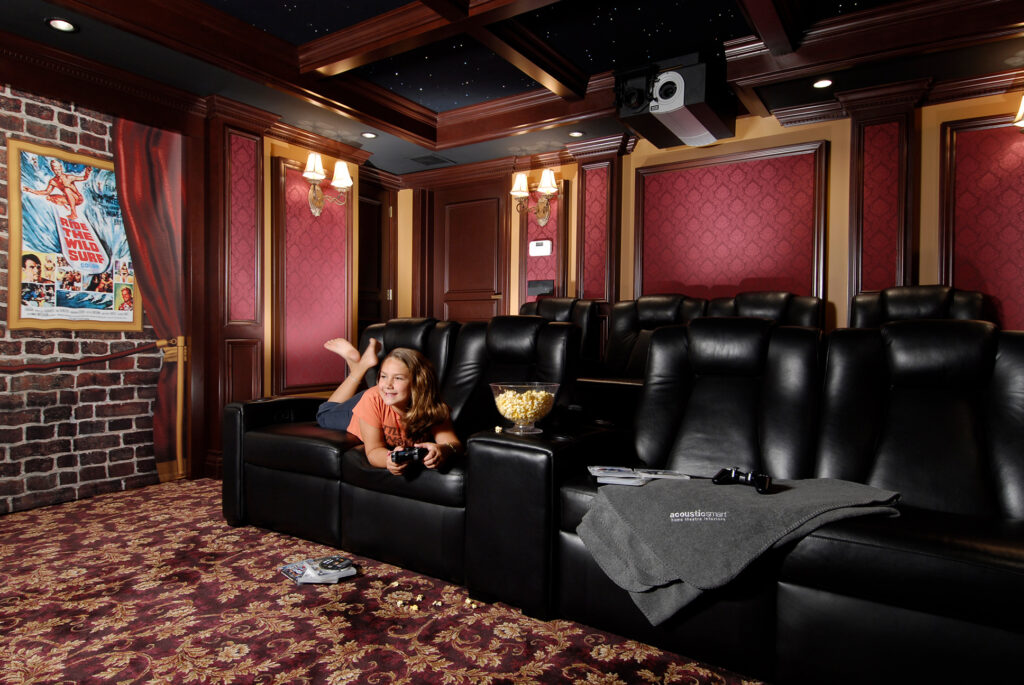
Over time, I have come to appreciate how easily the theater settles in. Everything we need is close by, the seating is comfortable for a full movie, and the room feels relaxed rather than formal.
A dedicated home theater can look very polished in photographs, but ours is still a room that gets used. We have watched movies, sporting events, and plenty of ordinary television there, played video games, and friends and family have spent many evenings in those seats.
That is why I think a home theater should be beautiful without feeling too precious. The best rooms are the ones where people actually want to get comfortable and stay awhile.
10. What I Would Do the Same Again
There are several choices from our original garage home theater conversion that I would absolutely repeat.
I would still use the garage because the size and separation from the rest of the house worked well for us. I would still plan the screen and seating together rather than choosing them independently, and I would leave enough room around the chairs for comfortable reclining and movement.
I would give just as much thought to lighting because it continues to be one of my favorite parts of the room. I would also plan the acoustics, wiring, and electrical needs during construction rather than trying to solve those issues later.
Those decisions have held up remarkably well over time. The equipment may change, but the room itself still works, and that is probably the best indication that the original planning was successful.
11. What I Would Think About Differently Today
If I were starting the project today, I would build even more flexibility into the room for future technology changes.
I would include more charging access around the seating, plan for easier cable upgrades, and think about how smart lighting and home automation could simplify control of the theater.
I would still compare current projectors, large TVs, and audio options carefully, but I would not let any one piece of technology dictate the room’s design.
Experience has shown me how quickly equipment changes. The best thing we did was create a theater that could continue to work as the surrounding technology evolved.
Is a Garage Home Theater Worth It?
For us, it absolutely was, but giving up a garage is still a real decision.
If you depend on your garage for parking, storage, protection from the weather, or hobbies, converting the entire space may not be the right choice. A basement, bonus room, attic, spare bedroom, or multipurpose media room may work better.
For us, the garage provided enough space for the dedicated theater we wanted. Once the conversion was complete, it no longer felt like a garage at all.
It simply became another part of our home, and one we have enjoyed for years.
Frequently Asked Questions
Can you convert a two-car garage into a home theater?
Yes. A two-car garage can provide excellent dimensions for a dedicated home theater, but the space usually needs to be converted into proper interior living space first. Flooring, insulation, electrical service, heating and cooling, moisture, plumbing, and structural conditions should all be considered before installing theater equipment.
Does a garage make a good home theater?
It can. Garages often provide useful width and depth for a large screen, comfortable seating, and surround sound. They may also offer more separation from bedrooms and everyday living areas than other rooms in the house.
What has held up best in our theater over time?
The layout, seating, lighting, and acoustic planning have all held up extremely well. Technology has changed considerably since the room was built, but the basic design still works, making it much easier to upgrade individual pieces of equipment.
How has home theater technology changed since our theater was built?
Almost every part of the equipment side has evolved. Projectors and televisions have improved, 4K has become standard, streaming has transformed access to movies, newer surround-sound formats such as Dolby Atmos have become common, and smart controls have made theaters easier to operate. The biggest lesson for me is to create a room that can adapt as the technology changes.
Should I use a TV or a projector in a garage theater?
Either can work. A projector makes sense when you want a very large cinematic image and can control the room lighting. A large TV can be an excellent option in smaller or brighter rooms. The right choice depends on the room, viewing distance, budget, and how you plan to use the space.
Do I need a snack station in a home theater?
No, but I love having ours. A snack station can be as simple as a cabinet, shelf, or rolling cart, and it makes movie night much more convenient by keeping popcorn and other treats close to the theater.
Would I convert our garage again?
Yes. The garage became a room that we have enjoyed for years, and I would make the same decision again.
Final Thoughts
When I look at our theater today, it is difficult to picture the two-car garage that once occupied the same space.
That is one of the things I love most about the conversion. The finished theater does not feel like a garage with theater equipment added. It feels like a true part of our home.
After living with the room for years, I have realized that the most successful parts of the theater are the ones that make it easy to enjoy. The large screen, sound, and lighting create the experience, while the smaller conveniences make the room comfortable enough for us to keep using it.
The technology will continue to change, and I am sure there will always be something newer to consider. What matters more to me is that the room itself has continued to work, even as all that technology has evolved around it.
If you are considering a garage home theater conversion, I would start by creating the best room you can. Think about the structure, comfort, lighting, acoustics, seating, wiring, and how you actually want to use the space. Choose technology that works for you now, but give yourself enough flexibility to change it later.
For me, the best part of our theater is that it still feels special after all these years. It has become a room we genuinely enjoy using, and that is what I would hope for anyone creating their own home theater.
That is the home theater I would choose all over again.
Related Articles
- How to Choose the Perfect Home Theater Seating Layout
- What to Look for in a Comfortable Home Theater Recliner
- Home Theater Seating Accessories You Didn’t Know You Needed
- TV vs. Projector for a Home Theater: Which Is Best for Your Space?
- Acoustic Panels vs. Soundproofing for Home Theaters: What You Actually Need
- How to Layer Lighting in a Home Theater for the Perfect Movie Experience
- DIY Snack Stations for Home Theaters
- Home Theater Popcorn Bar Ideas for the Ultimate Movie Night
- Hidden Cable Management Ideas for a Clean Home Theater
- Speaker Placement Tips for a Home Theater vs. a Family Living Room

Lisa is the creator of Home Cinema Living. Together with her husband, a longtime home theater professional, she has spent years designing and enjoying home theater spaces that bring family and friends together for memorable movie nights.